Improvements in Consumer Goods Manufacturing are crucial for enhancing productivity, reducing costs, improving quality, and adapting to changing market demands. These improvements span various areas, including production processes, supply chain management, product innovation, and sustainability. Below are the key categories of improvements in Consumer Goods Manufacturing:
1. Process Optimization and Efficiency Improvements
Lean Manufacturing: Implementing lean principles such as Kaizen, 5S, Value Stream Mapping (VSM), and Just-In-Time (JIT) to eliminate waste, streamline production processes, and improve efficiency in manufacturing operations.
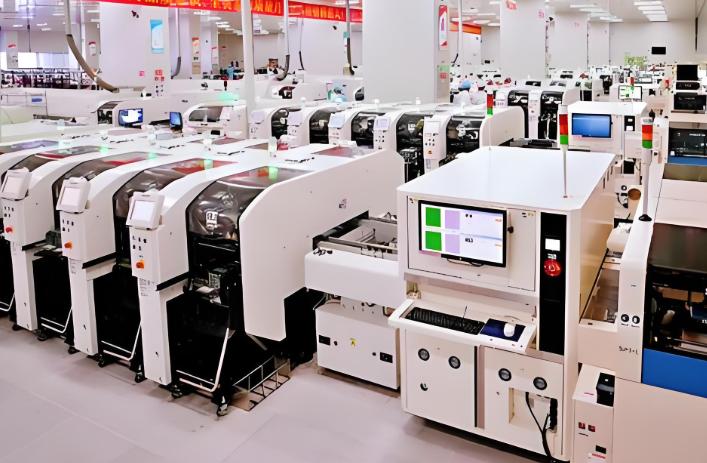
Automation and Robotics: Integrating robotic systems and automated technologies to reduce manual labor, improve precision, and increase production speed while maintaining consistent product quality.
Cycle Time Reduction: Improving manufacturing cycle times by optimizing workflows, reducing downtime, and improving setup times, ultimately leading to faster production and increased capacity.
Capacity Planning: Enhancing the ability to meet fluctuating demand by effectively managing production capacity and scaling operations accordingly.
Continuous Improvement Programs: Establishing systems that encourage ongoing evaluation of processes, identification of bottlenecks, and implementation of iterative improvements to achieve better overall performance.
2. Quality Control and Product Consistency
Quality Management Systems (QMS): Implementing or enhancing QMS such as ISO 9001, Six Sigma, and Total Quality Management (TQM) to improve product consistency, reduce defects, and enhance the overall quality of goods.
Statistical Process Control (SPC): Utilizing data-driven approaches to monitor and control manufacturing processes, ensuring that products meet quality standards and reducing variations in the production process.
Inspection and Testing: Improving the frequency and accuracy of product inspections and tests at various stages of the production process to identify and rectify issues early.
Root Cause Analysis: Investigating and addressing the underlying causes of defects or inconsistencies to prevent recurrence and improve long-term product quality.
3. Product Innovation and Design Improvements
Product Development: Enhancing product development processes to accelerate the time from concept to market. This may involve adopting new design software, prototyping techniques, and customer feedback loops.
Design for Manufacturability (DFM): Designing products with manufacturing processes in mind to simplify production, reduce costs, and improve the efficiency of manufacturing.
Sustainable Product Design: Incorporating eco-friendly materials and production methods in product design to meet growing consumer demand for sustainable and environmentally-friendly products.
Customization: Offering more customizable products that cater to individual consumer preferences or specific market segments, which can drive brand loyalty and differentiation.
Packaging Design: Improving product packaging to enhance functionality, reduce material waste, and create more attractive and cost-effective designs that appeal to consumers.
4. Supply Chain and Logistics Optimization
Supply Chain Transparency: Implementing systems to increase visibility across the supply chain, ensuring better decision-making, reducing lead times, and improving product availability.
Vendor and Supplier Management: Strengthening relationships with suppliers and vendors to ensure consistent material quality, timely deliveries, and cost-effective sourcing of raw materials and components.
Inventory Management: Enhancing inventory management techniques such as Just-in-Time (JIT) and Inventory Optimization to reduce excess stock, minimize warehousing costs, and ensure that the right materials are available at the right time.
Logistics and Distribution Optimization: Optimizing the movement of goods from manufacturers to end customers, reducing transportation costs, improving delivery times, and increasing the flexibility of distribution networks.
Demand Forecasting: Using advanced analytics and AI-powered tools to improve demand forecasting accuracy, helping manufacturers avoid stockouts or overproduction and reduce unnecessary inventory holding costs.
5. Energy Efficiency and Sustainability
Energy Management: Improving energy efficiency within manufacturing operations by adopting energy-efficient machinery, upgrading lighting systems to LED, and implementing energy-saving initiatives across the facility.
Sustainable Manufacturing Practices: Shifting toward more sustainable practices such as zero-waste manufacturing, using renewable energy sources, reducing water consumption, and implementing closed-loop systems for material reuse.
Carbon Footprint Reduction: Reducing the carbon footprint by optimizing transportation, using more sustainable materials, and reducing emissions from manufacturing processes.
Circular Economy Integration: Focusing on recycling, reusing materials, and designing products that can be disassembled and repurposed at the end of their lifecycle, contributing to a circular economy.
Packaging Sustainability: Reducing the environmental impact of packaging by using recyclable materials, minimizing packaging waste, and exploring innovative packaging designs.
6. Technology Integration and Digital Transformation
Industry 4.0 Adoption: Integrating smart manufacturing technologies such as IoT (Internet of Things), Big Data, artificial intelligence (AI), and robotics into production systems to increase automation, improve decision-making, and optimize operations.
Digital Twins: Implementing digital twin technology to create virtual models of manufacturing processes that can be used to simulate, optimize, and monitor real-world operations in real time.
ERP and MES Systems: Implementing Enterprise Resource Planning (ERP) and Manufacturing Execution Systems (MES) to integrate all aspects of production, from planning to execution, providing real-time data and insights to improve decision-making.
Additive Manufacturing: Incorporating 3D printing (additive manufacturing) to produce prototypes, customize products, and reduce material waste in production.
Automation and Robotics: Upgrading factories with automated systems and robots for repetitive tasks to improve speed, accuracy, and consistency in production, especially in industries with high-volume manufacturing.
7. Workforce Development and Labor Productivity
Workforce Training and Upskilling: Investing in employee development programs to enhance the skills of the workforce, particularly in new technologies, quality management, and safety protocols.
Safety Improvements: Strengthening workplace safety by adopting better safety practices, improving machine safety features, and providing regular employee safety training to reduce accidents and injuries.
Labor Management Systems: Using labor management systems (LMS) to improve workforce planning, scheduling, and performance tracking, ensuring that production is met with an optimal labor force.
Employee Engagement: Fostering a culture of continuous improvement by empowering employees to suggest improvements, participate in decision-making, and take ownership of process innovations.
Flexible Work Practices: Introducing more flexible manufacturing systems that allow for easier adjustments in labor deployment, which can improve productivity and responsiveness to market changes.
8. Product Traceability and Compliance
Traceability Systems: Implementing track and trace technologies such as barcodes, RFID, and blockchain to ensure that products can be traced throughout the supply chain, providing transparency and reducing the risk of fraud or counterfeiting.
Regulatory Compliance: Enhancing systems to ensure that manufacturing processes comply with local and international regulations (e.g., FDA, CE marking, etc.) and industry standards (e.g., ISO standards, GMP).
Consumer Safety: Ensuring that products meet safety standards through proper testing, documentation, and quality control processes, minimizing the risk of recalls or legal issues.
Ethical Sourcing and Fair Trade Practices: Adopting ethical sourcing practices that ensure labor rights and environmental standards are met within the supply chain, which aligns with growing consumer demand for ethical products.
9. Customer-Centric Manufacturing
Customization and Personalization: Offering personalized or customizable products that meet specific consumer preferences, which can differentiate a brand and create deeper customer loyalty.
Customer Feedback Integration: Implementing systems to collect and analyze customer feedback to improve product design, manufacturing processes, and service offerings.
Faster Time-to-Market: Reducing product development and production lead times to quickly respond to shifting consumer preferences and market trends.
Prototyping and Small Batch Production: Implementing methods like rapid prototyping and small batch production to test new ideas, iterate quickly, and offer more agile product development cycles.
10. Cost Control and Financial Performance
Cost Reduction Initiatives: Identifying areas of inefficiency or waste in the manufacturing process and implementing strategies to reduce costs while maintaining product quality, such as reducing energy consumption or optimizing raw material use.
Product Lifecycle Costing: Analyzing the total cost of ownership of products throughout their lifecycle, from raw material acquisition to end-of-life, to ensure long-term cost-effectiveness.
Profitability Optimization: Identifying ways to increase profitability by improving margins, optimizing pricing strategies, and reducing operational costs.
Benchmarking: Regularly comparing manufacturing costs and performance against industry standards or competitors to identify improvement opportunities and stay competitive in the market.
Improvements in Consumer Goods Manufacturing are crucial for enhancing productivity, reducing costs, improving quality, and adapting to changing market demands. These improvements span various areas, including production processes, supply chain management, product innovation, and sustainability. Below are the key categories of improvements in Consumer Goods Manufacturing:
1. Process Optimization and Efficiency Improvements
Lean Manufacturing: Implementing lean principles such as Kaizen, 5S, Value Stream Mapping (VSM), and Just-In-Time (JIT) to eliminate waste, streamline production processes, and improve efficiency in manufacturing operations.
Automation and Robotics: Integrating robotic systems and automated technologies to reduce manual labor, improve precision, and increase production speed while maintaining consistent product quality.
Cycle Time Reduction: Improving manufacturing cycle times by optimizing workflows, reducing downtime, and improving setup times, ultimately leading to faster production and increased capacity.
Capacity Planning: Enhancing the ability to meet fluctuating demand by effectively managing production capacity and scaling operations accordingly.
Continuous Improvement Programs: Establishing systems that encourage ongoing evaluation of processes, identification of bottlenecks, and implementation of iterative improvements to achieve better overall performance.
2. Quality Control and Product Consistency
Quality Management Systems (QMS): Implementing or enhancing QMS such as ISO 9001, Six Sigma, and Total Quality Management (TQM) to improve product consistency, reduce defects, and enhance the overall quality of goods.
Statistical Process Control (SPC): Utilizing data-driven approaches to monitor and control manufacturing processes, ensuring that products meet quality standards and reducing variations in the production process.
Inspection and Testing: Improving the frequency and accuracy of product inspections and tests at various stages of the production process to identify and rectify issues early.
Root Cause Analysis: Investigating and addressing the underlying causes of defects or inconsistencies to prevent recurrence and improve long-term product quality.
3. Product Innovation and Design Improvements
Product Development: Enhancing product development processes to accelerate the time from concept to market. This may involve adopting new design software, prototyping techniques, and customer feedback loops.
Design for Manufacturability (DFM): Designing products with manufacturing processes in mind to simplify production, reduce costs, and improve the efficiency of manufacturing.
Sustainable Product Design: Incorporating eco-friendly materials and production methods in product design to meet growing consumer demand for sustainable and environmentally-friendly products.
Customization: Offering more customizable products that cater to individual consumer preferences or specific market segments, which can drive brand loyalty and differentiation.
Packaging Design: Improving product packaging to enhance functionality, reduce material waste, and create more attractive and cost-effective designs that appeal to consumers.
4. Supply Chain and Logistics Optimization
Supply Chain Transparency: Implementing systems to increase visibility across the supply chain, ensuring better decision-making, reducing lead times, and improving product availability.
Vendor and Supplier Management: Strengthening relationships with suppliers and vendors to ensure consistent material quality, timely deliveries, and cost-effective sourcing of raw materials and components.
Inventory Management: Enhancing inventory management techniques such as Just-in-Time (JIT) and Inventory Optimization to reduce excess stock, minimize warehousing costs, and ensure that the right materials are available at the right time.
Logistics and Distribution Optimization: Optimizing the movement of goods from manufacturers to end customers, reducing transportation costs, improving delivery times, and increasing the flexibility of distribution networks.
Demand Forecasting: Using advanced analytics and AI-powered tools to improve demand forecasting accuracy, helping manufacturers avoid stockouts or overproduction and reduce unnecessary inventory holding costs.
5. Energy Efficiency and Sustainability
Energy Management: Improving energy efficiency within manufacturing operations by adopting energy-efficient machinery, upgrading lighting systems to LED, and implementing energy-saving initiatives across the facility.
Sustainable Manufacturing Practices: Shifting toward more sustainable practices such as zero-waste manufacturing, using renewable energy sources, reducing water consumption, and implementing closed-loop systems for material reuse.
Carbon Footprint Reduction: Reducing the carbon footprint by optimizing transportation, using more sustainable materials, and reducing emissions from manufacturing processes.
Circular Economy Integration: Focusing on recycling, reusing materials, and designing products that can be disassembled and repurposed at the end of their lifecycle, contributing to a circular economy.
Packaging Sustainability: Reducing the environmental impact of packaging by using recyclable materials, minimizing packaging waste, and exploring innovative packaging designs.
6. Technology Integration and Digital Transformation
Industry 4.0 Adoption: Integrating smart manufacturing technologies such as IoT (Internet of Things), Big Data, artificial intelligence (AI), and robotics into production systems to increase automation, improve decision-making, and optimize operations.
Digital Twins: Implementing digital twin technology to create virtual models of manufacturing processes that can be used to simulate, optimize, and monitor real-world operations in real time.
ERP and MES Systems: Implementing Enterprise Resource Planning (ERP) and Manufacturing Execution Systems (MES) to integrate all aspects of production, from planning to execution, providing real-time data and insights to improve decision-making.
Additive Manufacturing: Incorporating 3D printing (additive manufacturing) to produce prototypes, customize products, and reduce material waste in production.
Automation and Robotics: Upgrading factories with automated systems and robots for repetitive tasks to improve speed, accuracy, and consistency in production, especially in industries with high-volume manufacturing.
7. Workforce Development and Labor Productivity
Workforce Training and Upskilling: Investing in employee development programs to enhance the skills of the workforce, particularly in new technologies, quality management, and safety protocols.
Safety Improvements: Strengthening workplace safety by adopting better safety practices, improving machine safety features, and providing regular employee safety training to reduce accidents and injuries.
Labor Management Systems: Using labor management systems (LMS) to improve workforce planning, scheduling, and performance tracking, ensuring that production is met with an optimal labor force.
Employee Engagement: Fostering a culture of continuous improvement by empowering employees to suggest improvements, participate in decision-making, and take ownership of process innovations.
Flexible Work Practices: Introducing more flexible manufacturing systems that allow for easier adjustments in labor deployment, which can improve productivity and responsiveness to market changes.
8. Product Traceability and Compliance
Traceability Systems: Implementing track and trace technologies such as barcodes, RFID, and blockchain to ensure that products can be traced throughout the supply chain, providing transparency and reducing the risk of fraud or counterfeiting.
Regulatory Compliance: Enhancing systems to ensure that manufacturing processes comply with local and international regulations (e.g., FDA, CE marking, etc.) and industry standards (e.g., ISO standards, GMP).
Consumer Safety: Ensuring that products meet safety standards through proper testing, documentation, and quality control processes, minimizing the risk of recalls or legal issues.
Ethical Sourcing and Fair Trade Practices: Adopting ethical sourcing practices that ensure labor rights and environmental standards are met within the supply chain, which aligns with growing consumer demand for ethical products.
9. Customer-Centric Manufacturing
Customization and Personalization: Offering personalized or customizable products that meet specific consumer preferences, which can differentiate a brand and create deeper customer loyalty.
Customer Feedback Integration: Implementing systems to collect and analyze customer feedback to improve product design, manufacturing processes, and service offerings.
Faster Time-to-Market: Reducing product development and production lead times to quickly respond to shifting consumer preferences and market trends.
Prototyping and Small Batch Production: Implementing methods like rapid prototyping and small batch production to test new ideas, iterate quickly, and offer more agile product development cycles.
10. Cost Control and Financial Performance
Cost Reduction Initiatives: Identifying areas of inefficiency or waste in the manufacturing process and implementing strategies to reduce costs while maintaining product quality, such as reducing energy consumption or optimizing raw material use.
Product Lifecycle Costing: Analyzing the total cost of ownership of products throughout their lifecycle, from raw material acquisition to end-of-life, to ensure long-term cost-effectiveness.
Profitability Optimization: Identifying ways to increase profitability by improving margins, optimizing pricing strategies, and reducing operational costs.
Benchmarking: Regularly comparing manufacturing costs and performance against industry standards or competitors to identify improvement opportunities and stay competitive in the market.
[ Retract  ]
]




 地址
地址 


